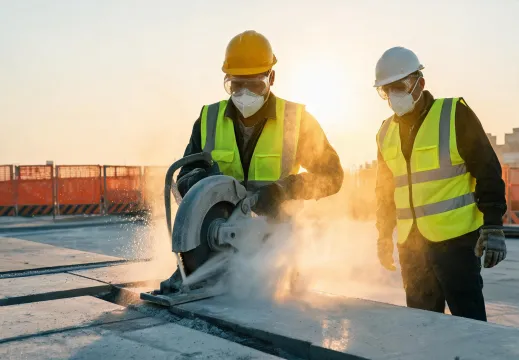
Construction
Silica dust respirators, Type I hard hats, ANSI Z87.1-2020 eyewear, hearing protection, and hi-vis Class 2 vests.
Build a respirator program that links fit testing, cartridge selection, field training, and digital inspection records without losing sight of worker comfort.
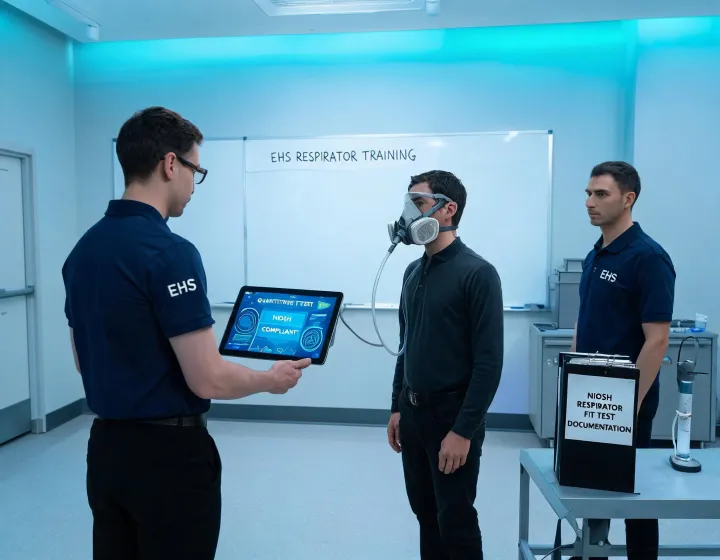
Each workplace bundle starts with the respiratory hazard, then layers eye, hearing, fall, and visibility controls so procurement teams can standardize kits by role.
Silica dust respirators, Type I hard hats, ANSI Z87.1-2020 eyewear, hearing protection, and hi-vis Class 2 vests.

Reusable half-face respirators, P100 filters, welding face shields, cut A4-A6 gloves, and hearing conservation kits.
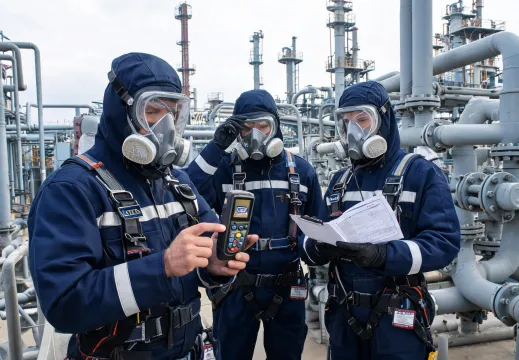
Full-face respirators, cartridge change schedules, multi-gas monitoring, FR layers, and confined-space rescue readiness.
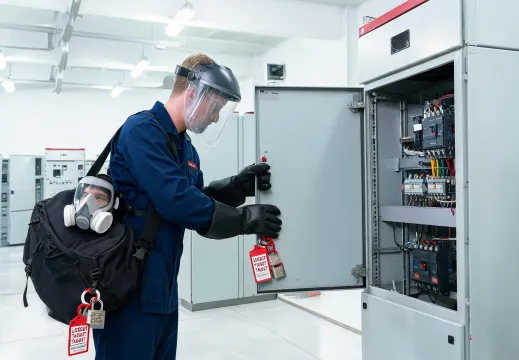
Arc-rated workwear, LOTO controls under OSHA 1910.147, dielectric head protection, and respiratory options for battery rooms.
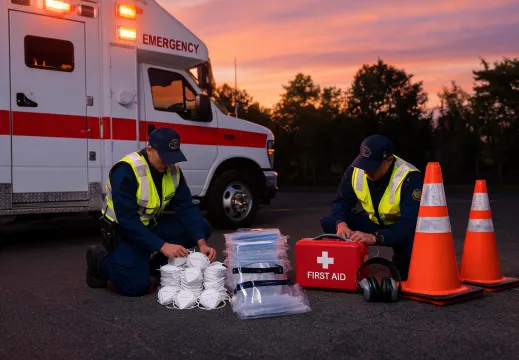
Disposable respirator surge kits, face shields, traffic facility safety, communication earmuffs, and incident replenishment planning.

Disposable respirators, splash goggles, nitrile gloves, hygiene-compatible storage, and lot traceability for audit trails.
Industrial hygienists and EHS managers group respirator users by exposure profile, facepiece type, APF requirement, and annual fit-test status.
Program owners compare disposable N95, elastomeric half-face, full-face, and PAPR options with filter efficiency, service-life, comfort, and cleaning procedures visible to buyers.
Rollouts pair worker instruction with cartridge change schedules, seal-check reinforcement, and stocking rules that reduce emergency substitutions.
Digital forms, QR-tagged assets, and dashboard exports help teams prove completion, spot overdue training, and plan the next field audit.
"The value was not another product list. It was seeing respirator selection, fit testing, training evidence, and replenishment risk in one operating view before the turnaround started."
Share worker count, primary airborne hazards, current facepiece mix, and target region. A program specialist can map the first 4-8 week pilot, including documentation, wearer trials, and dashboard fields.