-
Is the 3M 6200 half facepiece reusable respirator still worth buying?
-
When should I choose a 3M PAPR instead of a half mask?
-
Where should I buy steel toe shoes near me?
-
Can you wash leather gloves?
-
What does electric fence have to do with PPE?
-
How do I know a 3M respirator is real?
-
Is 3M overpriced compared to cheap PPE?
I coordinate rush safety-equipment deliveries for industrial clients. In the last eight years, I've been involved in over 300 emergency orders, including same-day turnarounds for plant start-ups and event safety setups. So when customers keep searching for the same mix of terms—3m, 3m half facepiece reusable respirator 6200, papr respirator 3m, steel toe shoes near me, electric fence, can you wash leather gloves—I read that as a need for straightforward answers, not another product page.
Here are the questions I answer most often:
- Is the 3M 6200 half facepiece reusable respirator still worth buying?
- When do I actually need a 3M PAPR instead?
- Where should I get steel toe shoes near me?
- Can you wash leather gloves?
- What does electric fence have to do with PPE?
- How do I know a 3M respirator is real?
- Is 3M overpriced compared to cheap PPE?
Is the 3M 6200 half facepiece reusable respirator still worth buying?
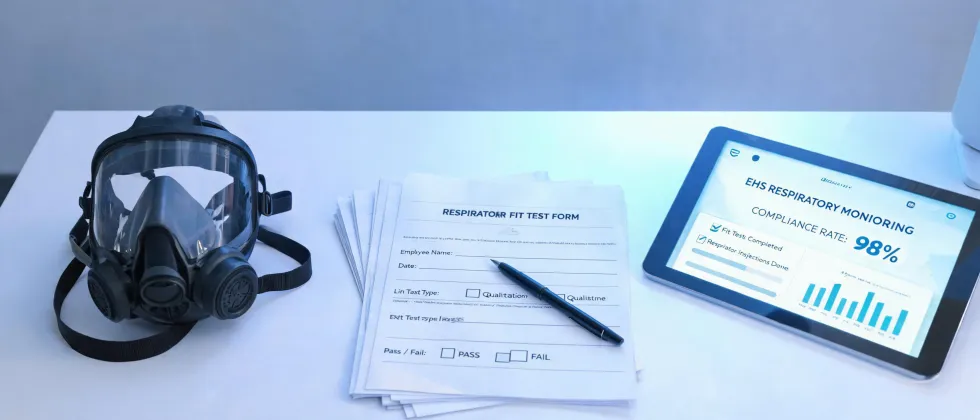
Search for '3m half facepiece reusable respirator 6200' and you'll see a lot of listings. The first thing to sort out isn't the model, though—it's fit. The 6200 is a reusable half facepiece that takes 3M cartridges and filters. It's a workhorse because it's simple, durable, and NIOSH-approved. But reusable doesn't mean one size fits everyone. If the mask doesn't seal along your face, it won't protect you no matter how much it costs. As of April 2025, OSHA's respiratory protection standard at 29 CFR 1910.134 still requires a fit test when workplace conditions call for a tight-fitting respirator. I've watched fit tests catch three failures in one afternoon from a crew using masks bought without trying them on. So yes, the 6200 is worth considering—it just has to be the right fit.
When should I choose a 3M PAPR instead of a half mask?
If you search 'papr respirator 3m', you'll find the 3M Versaflo powered air-purifying respirator system. That's a completely different category from a 6200. A PAPR uses a battery-powered blower to pull air through filters and push it into the hood or mask. You'd want it for extended wear, heavy work, hot environments, or workers who can't get a tight fit—for example, someone with facial hair. A loose-fitting hood doesn't depend on a facial seal, so beards are less of a problem. But it's a system you have to maintain: charging batteries, cleaning the blower, checking airflow, storing hoods. I've seen expensive PAPR outfits sitting in a cabinet because no one wanted to deal with the maintenance. For many routine tasks, a properly fitted half mask with the right cartridge is enough. Buy the PAPR for the job you're actually doing, not for the idea of 'more protection.'
Where should I buy steel toe shoes near me?
Let me reframe that. 'Near me' matters less than 'ASTM F2413-18' on the label. That's the US standard for impact-resistant and compression-resistant protective footwear. A local shop is great for trying boots on, but online works if you know your size and return policy. One of my more stressful orders was in March 2024: a client needed 40 pairs of steel toe shoes for a plant start-up the next morning. Normal delivery was four days. We found a local supplier 40 minutes away, paid an extra $220 in pickup and rush handling, and made it. Even after confirming the order, I kept second-guessing the fee—what if the sizes were wrong? I didn't relax until the boots were loaded on the truck. The alternative was a delayed start-up under a $50,000 penalty clause. So 'near me' saved us that day. But for standard orders, I'd compare total delivered cost before looking at distance. Ask 'what's not included' before you ask 'what's the price.' That simple question has kept me out of a ton of budget surprises.
Can you wash leather gloves?
Yes, but not in the way people usually mean. You can hand-wash leather work gloves, but don't put them in a washing machine or a dryer. A machine cycle strips natural oils, distorts the leather, and can ruin cut-resistant coatings. The safe route: lukewarm water, a tiny bit of mild soap, wipe the leather gently, rinse with a damp cloth, and air-dry away from direct heat. Once dry, work in a leather conditioner. I used to think washing was washing, until a batch of gloves came back from the laundromat stiff as boards—wait, actually, the stiffness was from the dryer, not the washer. The washer alone I could have lived with. The dryer destroyed them. So keep them out of both. And if the gloves are rated for electrical or chemical work, don't wash them as normal laundry. Washing can seriously alter the protective rating, and then you're not wearing a safety glove anymore, just a glove.
What does electric fence have to do with PPE?
This one comes from a search pattern I get regularly, and I'm including it because it's an easy place to get hurt. If you're looking up electric fence because you install, maintain, or work near energized fencing, the PPE you need is voltage-rated insulating gloves and dielectric footwear. Not everyday leather gloves, and not steel toe boots unless they're specifically rated for electrical work. A steel toe can be a liability around live circuits if it's not designed for it. For electric fence work, use gloves tested to standards like ASTM D120 or EN 60903, with the right class rating for the voltage. NFPA 70E is the standard your employer should be following for electrical work. The surprise isn't that people search for electric fence around a PPE article. It's how often the answer is some version of 'stop, that's not an ordinary glove situation.'
How do I know a 3M respirator is real?
If the price looks too good, it's often a counterfeit. I only believed this after a client brought in a discount 6200 that looked right until I checked the inside. No NIOSH approval number, a strong resin smell, and a face seal that sat wrong. The checklist now sounds obvious: buy from an authorized 3M distributor, look for the TC-84A approval marking, and check that cartridges are in sealed packaging. NIOSH posts a public list of approved respirators on its website, so you can search the model number. The 6200 is not a hard product to verify—it's a hard lesson to learn after someone has already worn it. So do it before it goes on a face, not after. I had one client who nearly skipped this step and ordered a bulk lot of look-alikes; that one was caught before it shipped.
Is 3M overpriced compared to cheap PPE?
I used to think so. Then I paid for it in rework. The invoice price isn't the total cost. If a respirator fails fit testing, you spend time and money reordering. If a boot fails on site, you're paying for downtime, not just a new pair. In 2023 I chose a lower-priced glove option to save about $1,100 against the initial quote. Two weeks later we reordered the right gloves and paid $600 in emergency shipping. The total ended up above the original quote for the right gloves, and the delay hurt worse than the money. That's why I now ask for 'total delivered cost' in writing: product, shipping, fees, replacement policy, and delivery windows. A supplier who lists all of that up front—even if it looks higher at first—tends to cost less in the end than one who surprises you after checkout. That's not a secret. It's basically the lesson from every rushed order I've ever handled.
