After 11 years of coordinating safety procurement and same-day rush deliveries for construction, manufacturing, and facility clients, I've learned to distrust the cheapest line on any quote. A transparent quote that runs 20–30% higher usually costs less in the end than a lowball quote that layers fees on later. That holds whether you're restocking First Aid Only bandages, ordering concrete fence post sections for site barriers, or outfitting a crew with Nike steel toe shoes.
It took me about 4 years and 200+ rush orders to understand that the quote I can read in full is worth more than the one I have to decode. Here's the filter I use now—and the cases where the cheap option really is fine.
First Aid Only Is a Brand, Not a Generic Category
A lot of buyers search "first-aid-only" as if it describes a product type. It's a brand, and that distinction matters when you're comparing kits. You can't swap a generic kit for a First Aid Only kit and assume the contents match—bandage sizes, burn cream formulations, and expiration windows all differ.
The First Aid Only first aid burn cream 13-06 is a good example. The 13-06 SKU refers to a specific size and formulation, and it's commonly stocked in workplace kits that need to meet ANSI/ISEA Z308.1-2021 minimums. If you're replacing items one by one, check the SKU, not just the label. First Aid Only bandages and the 13-06 burn cream are standard line items in facility kits for a reason—but only if they're in date.
I learned this the hard way. I assumed all burn cream in a first aid catalog was interchangeable. Didn't verify the active ingredient or the expiration date. Turned out the cheaper kits had products expiring in 4–6 months, while a slightly pricier supplier shipped 18+ months of shelf life. For a facility that restocks twice a year, that difference erased the savings entirely. I still kick myself for not asking for expiration dates in writing on that first bulk order.
OSHA 29 CFR 1910.151 requires adequate first aid supplies, but it doesn't specify brands. ANSI/ISEA Z308.1-2021 sets minimum kit contents and performance. Neither overrides expiration dates—so verify those separately.
The Concrete Fence Post Problem: Safety Gear Is Heavy
Site security and pedestrian separation often come down to physical barriers, and concrete fence post sections are one of the least glamorous—and most underestimated—purchases in a safety budget. The post itself is cheap relative to what it takes to set it.
Two things bite buyers here:
- Freight weight. A concrete post section isn't a parcel. Shipping quotes that look competitive often exclude liftgate or offload fees, and a crew that can't unload a pallet by hand just added a rental forklift to the project.
- Placement labor. A fence post that hasn't been set is a trip hazard, not a barrier. Budget installation or a crew with the right tools.
I've seen a $400 post order turn into a $1,100 delivered-and-set cost (which, honestly, felt excessive until I priced out the forklift rental separately). That's not a scam—it's just the total cost of ownership that the low quote left out. Ask what's not included before you compare prices.
Nike Steel Toe Shoes: Comfort Is a Compliance Issue
Steel toe footwear is where I see the most quiet non-compliance. A safety manager orders Nike steel toe shoes because the crew asked for them, the shoes arrive, and half the crew stops wearing them within two weeks because they're a half-size too small or too stiff for 10-hour shifts.
ASTM F2413 covers the impact and compression ratings. That's the floor. The ceiling is whether the worker keeps the shoe on. I've come to believe—after about 5 years of watching this cycle—that the "best" steel toe shoe is the one the worker will actually wear, provided it meets ASTM F2413. Fit trials and a break-in period matter more than the spec sheet.
Part of me wants to standardize every crew on one model for simplicity. Another part knows that different roles need different uppers and outsoles. I compromise: one ASTM-rated model per role category, with a fit check before bulk ordering. It's not the fastest path, but it's the one that avoids a pallet of unworn shoes sitting in the warehouse.
About That "Expired Respirator Arc Raiders" Search
A surprising number of people search where to find expired respirator arc raiders. If you're one of them, you're probably looking for a game item in Arc Raiders, not a real-world respirator. Fair enough—but the search is a useful reminder that in real safety procurement, "finding" an expired respirator is the opposite of what you want.
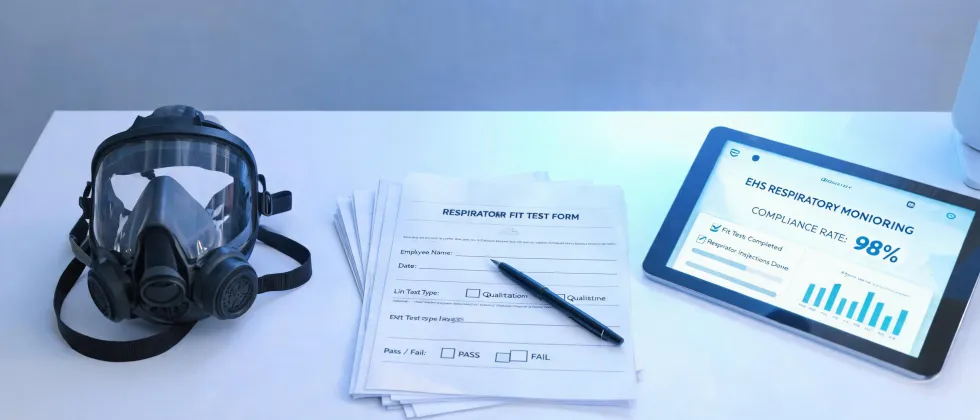
Expired filter cartridges and N95s are a genuine hazard. The materials degrade, the seal can fail, and the protection rating is no longer valid. Our warehouse pulls any respirator within 60 days of its expiration date and quarantines it. If a supplier can't tell you the date code on a respirator shipment, that's a transparency red flag, not a bargain.
So no, there's no secret location to find an expired respirator that's still safe to use. In the real world, you check the date and replace it. That's the whole strategy.
When the Cheap Option Is Actually Fine
I'm not arguing that every purchase needs the premium line. The transparency rule applies to hidden costs, not to every low price.
Low-price gear is reasonable when:
- The product is a standard, non-critical item (office bandages, basic safety glasses for visitors).
- You can verify the expiration date and the standard it meets before ordering.
- You're buying a commodity item where the only variable is freight—and freight is quoted clearly.
- The environment is low-risk, and the gear is a backup, not primary protection.
The test isn't "cheap or expensive." It's whether the quote tells you the whole number. A supplier who lists setup fees, freight, expiration windows, and certification standards up front—even at a higher sticker price—is usually the one who won't surprise you at invoice time. I've learned to ask "what's NOT included" before I ask "what's the price"—and that single question has saved more rush orders than any discount code.
After 11 years, that's the only reliability metric I actually trust.