-
The 3M Safety Equipment Checklist
-
1. Start with the hazard, not the product name
-
2. Verify the exact model and size
-
3. Check the standard, the approval, and the date
-
4. Measure the actual person, not the average worker
-
5. Look at the full system, not the line item
-
6. Pay attention to how the supplier treats a small order
-
7. Document training, fit test, and inspection dates
-
1. Start with the hazard, not the product name
- Related Searches That Aren't Actually 3M
-
What This Checklist Won't Do
I don't work for 3M, and I'm not a professional reviewer. I've been handling PPE orders for a mid-size manufacturing company for eight years—or rather, closer to nine if you count the year I covered a co-worker's leave. In that time, I've documented 17 purchasing mistakes, totaling roughly $4,300 in wasted budget. The worst was a single $3,200 order of 3M 1860 N95 respirators that turned out to be counterfeit. That was September 2022. After that, I created the checklist below.
Use this checklist when you're buying any 3M safety product for the first time: 3M fall protection, a 3M 1860 N95 respirator, a PAPR system, or even gloves that seem simple. It's heavier than an average shopping list, but after you've done it a few times, it takes about ten minutes.
The 3M Safety Equipment Checklist
- Start with the hazard, not the product name. The model number is not the answer.
- Verify the exact model and size. Small letters change the fit.
- Check the standard, the approval, and the date. Certification is a data point, not a sticker.
- Measure the actual person, not the average worker. Fit is a safety function.
- Look at the full system, not the line item. Missing pieces count as a failure.
- Pay attention to how the supplier treats a small order. That's a signal.
- Document training, fit test, and inspection dates. Gear you can't verify is just storage.
1. Start with the hazard, not the product name
A lot of buyers focus on the number 1860 or the brand 3M and completely miss the hazard they're trying to solve. The question everyone asks is 'Is this NIOSH approved?' The question they should ask is 'Does this respirator actually remove the thing I'm breathing?' The 3M 1860 N95 filters particulate. It does not absorb solvent vapors or ammonia. If someone needs chemical protection and you hand them a particulate respirator, the certification number doesn't matter.
2. Verify the exact model and size
The 3M 1860 and the 1860S are not the same mask. The S is a smaller version, and the headband geometry is different. With fall protection, a large harness can look like a medium in a photo. In 2018, my second year, I ordered 30 3M harnesses after checking only the chest size. Four didn't fit because I missed the torso-adjustment range. That mistake cost $890 in redo plus a one-week delay. Now I check the model, the lot code, and the size range on every item.
3. Check the standard, the approval, and the date
Look for ANSI Z359 on 3M fall protection, and NIOSH TC approval on respirators. According to NIOSH (cdc.gov/niosh/npptl), the approval number is printed on the packaging or filter. You can verify it in the NIOSH Approved Equipment List before you pay. That takes five minutes. Also check the manufacture date. Respirators have shelf life. A '3M 1860 N95' at a discount with no lot code is a red flag. In 2022, I ignored that flag. It cost me $3,200. Per FTC guidelines (ftc.gov), a claim like 'NIOSH-approved' is a performance claim; it has to be truthful and substantiated. But not every online seller follows that.
4. Measure the actual person, not the average worker
For 3M fall protection, fit is a function of torso height, thigh circumference, and shoulder width. 'Universal size' means different things in different products. The process gap in our shop was ordering based on the last worker's size instead of the new hire's. The third time that happened, I finally created a one-page measurement form. It's not fancy. It prevents a 15-minute fitting from becoming a three-day return.
5. Look at the full system, not the line item
A fall protection system is anchor point, connector, and harness. A respirator program includes fit test, seal check, cartridges, and storage. A PAPR system includes a battery and charger, which are sometimes sold separately. When I ordered 3M Versaflo kits, I focused on the helmet and missed that the battery was in a separate SKU. That mistake delayed the job by three days. The lesson: ask what's included in the price before you say yes.
6. Pay attention to how the supplier treats a small order
This one is less technical but important. In my first year, I placed a $200 order for 3M hearing protection with a vendor who spent twenty minutes answering my questions. Another supplier didn't answer at all. Guess who received the $20,000 respirator order later? The first vendor. To be fair, small orders don't make much revenue, but they filter out terrible suppliers. Small doesn't mean unimportant—it means potential. If a supplier only wants your business after you're big, that tells you what service will look like in a crisis.
7. Document training, fit test, and inspection dates
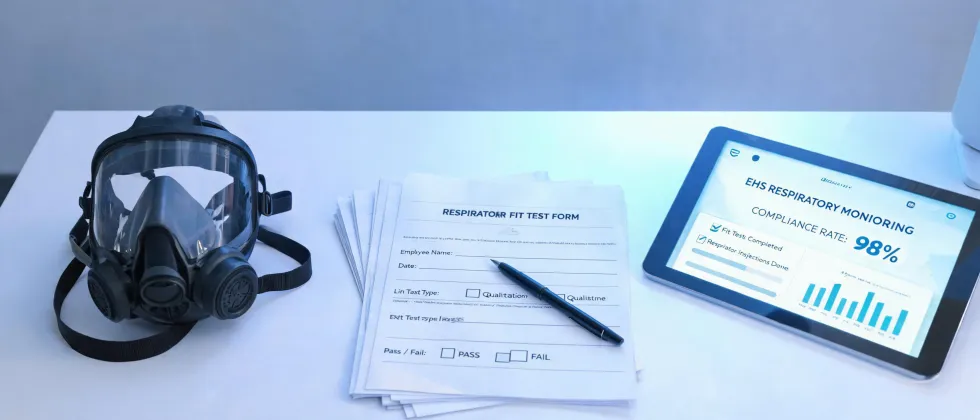
Safety equipment isn't a purchase; it's a process. For fall protection, you need to inspect the harness before each use and at least annually, per the manufacturer's instructions. For respirators, you need a fit test and training before the first use. If you ask me, a checked box is not a substitute for training. The checklist isn't done when the invoice is paid. It's done when the gear is on a trained person and the records are signed.
Related Searches That Aren't Actually 3M
Because this page also answers safety questions, let me address the odd ones I see attached to 3M searches.
What about 'fxw dog fence' and 'invisible fence for cats'?
These aren't 3M products as far as I can tell. They're pet containment systems. They show up in the same search session because people are looking for anything that keeps a moving creature out of danger. I don't sell those, but the same checklist applies: define the risk you're managing, verify the coverage, check the fit, and test the system before you trust it. An invisible fence for cats doesn't physically block anything; for some cats, that matters. I'll leave the behavioral debate out of it—you know your animal better than I do.
Is pepper spray flammable?
No, not in my experience. Oleoresin capsicum, the active ingredient, isn't the real concern. But the propellant or carrier in the can might be. I wouldn't store pepper spray near a pilot light, and I wouldn't test it indoors. If you want a definitive answer, check the safety data sheet (SDS) for the exact can you're holding. The same habit applies to 3M products: read the SDS before you use something, not after.
What This Checklist Won't Do
One thing this checklist won't do is make safety gear foolproof. No 3M product—or any other product—can be called absolutely safe. A harness can be inspected, worn, and still fail if the anchor point is wrong. A respirator can be the right model and still leak if the user wasn't fit tested. The checklist is a starting point, not a guarantee. It has caught 12 potential mistakes in the past 18 months and saved more than it cost. I hope it saves you one too.
