-
Why 'Good Enough' Safety Gear Keeps Failing
-
The Surface Problem: It's Not About Price, It's About Uncertainty
-
Deep Cause #1: Specs Don't Equal Real-World Performance
-
Deep Cause #2: Invisible Systems Fail Quietly
-
Deep Cause #3: Seasonal and Application Blind Spots
-
The Cost of Getting It Wrong
-
The Time Certainty Premium: Why Rush Fees Are Worth It
-
The Solution: Pay for Certainty
-
Final Thought
Why 'Good Enough' Safety Gear Keeps Failing
I review every PPE order before it ships to our customers. Roughly 200 items a week. In 2024 alone, I rejected 15% of first deliveries because the specs didn't match what was promised. The most common culprit? 'Good enough.'
Here's the thing: when a safety manager orders a case of 3M safety glasses with readers, they're not just buying plastic. They're buying compliance. They're buying the certainty that a worker will actually wear them. But too often, procurement teams treat PPE like office supplies—lowest bid, fastest delivery. That's a mistake that costs far more than the gear itself.
The Surface Problem: It's Not About Price, It's About Uncertainty
Last month, a construction company ordered 100 pairs of safety glasses. They chose a generic brand to save $1.50 per pair. Three weeks later, two workers got metal fragments in their eyes. The glasses were ANSI Z87.1 rated, but the frames didn't fit properly. The workers had been pushing them up on their foreheads. That $150 savings cost the company $12,000 in workers' comp and lost time.
From the outside, it looks like any ANSI-rated glove or safety glass will do the job. The reality is fit, durability, and worker acceptance vary wildly. I've seen batches of 'compliant' welding respirators that failed fit testing on 40% of workers. I've seen 3M safety tape knock-offs that peeled off within a week. The price difference was maybe 15%. The cost of failure? A 40-person production line shutdown for two days.
People assume the cheapest option saves money. What they don't see is the hidden cost of rework, retraining, and injuries.
Deep Cause #1: Specs Don't Equal Real-World Performance
ANSI Z87.1 is the standard for safety glasses. But it doesn't guarantee comfort. If a worker can't see close up, they'll take the glasses off. That's why 3M safety glasses with readers matter—they solve a specific problem. About 40% of industrial workers over 45 need reading glasses. If they can't see, they won't wear the PPE. I learned this the hard way. We once bought a batch of standard safety glasses because they were $2 cheaper per unit. Within a month, the defect rate in our assembly area spiked. Why? The workers couldn't read the fine print on components, so they lifted their glasses. We switched to readers. Problem solved. The cost increase was $3 per pair. On a 500-unit run, that's $1,500. The defect cost was $8,000.
Deep Cause #2: Invisible Systems Fail Quietly
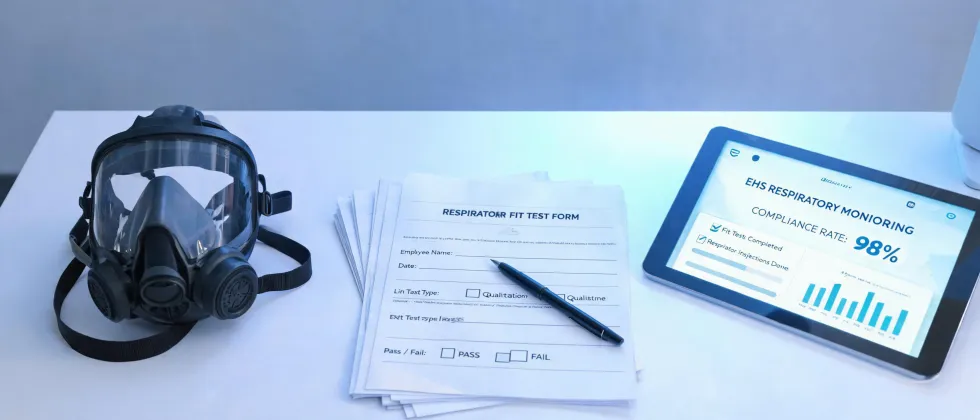
You know what reminds me of PPE programs? An invisible fence for dogs. It works great—until the battery dies, or the collar isn't fitted right, or the dog just ignores it. Then you have a problem. Safety gear is the same. A welding respirator only protects you if the filters are correct, the seal is tight, and the user is trained. I've seen companies buy top-tier respirators but skip fit testing. That's like installing an invisible fence and never putting the collar on the dog. It looks safe. It isn't.
'Employers must provide PPE at no cost to employees, and must ensure it fits properly.' — OSHA 1910.132(d)
That fit requirement is not a suggestion. It's a regulation. And yet, I still see purchase orders that specify a respirator model but no fit-testing budget.
Deep Cause #3: Seasonal and Application Blind Spots
A common question I get from warehouse managers: Are leather gloves good for winter? My answer: not usually. Leather is great for abrasion resistance, but it's not insulation. In temperatures below 40°F, leather becomes stiff. Below freezing, it can crack. If you're handling cold, wet materials, leather will absorb water and lose grip. You need insulated gloves with a waterproof coating. That's a specification issue. If you don't know the environment, you can't specify correctly.
The Cost of Getting It Wrong
In Q1 2024, we received a shipment of 500 welding respirators from a new supplier. The price was 20% below our usual vendor. The paperwork said NIOSH-approved. I decided to spot-check. I knew I should verify the approval number, but I thought, 'What are the odds?' Well, the odds caught up with me. 12% of the units had counterfeit filters. We had to reject the entire batch, and the supplier disappeared. That quality issue cost us a $22,000 redo and delayed a client's shutdown turnaround by three days. The client nearly switched vendors.
In our Q1 2024 quality audit, we found that 18% of our PPE orders had at least one specification error. The most common was wrong size. The cost to reorder and expedite was $45 per incident on average. Over a year, that's $8,100 in avoidable costs.
That experience changed how I buy. I now treat every critical PPE item like a deadline. You don't buy the cheapest parachute. You buy the one that's guaranteed to open.
The Time Certainty Premium: Why Rush Fees Are Worth It
When you need a welding respirator by Tuesday because your shutdown starts Wednesday, you can't afford 'probably.' You pay the rush fee. That fee buys certainty, not just speed. I've learned that the hard way. In 2023, we tried to save $200 on freight. The shipment arrived a day late. The crew stood around for four hours. That's $1,200 in labor. Never again.
In March 2024, we paid $400 extra for rush delivery on a batch of 3M respirators. The alternative was missing a $15,000 compliance deadline. We paid the $400. The client stayed. That's the math.
The Solution: Pay for Certainty
Here's what I tell my team: in safety, the premium you pay for a reliable brand is not a markup. It's insurance.
- Specify 3M. Not because other brands are bad, but because 3M's quality control is consistent. When you order 3M safety tape for hazard marking, you know the adhesive will hold. When you order a welding respirator, you know the filters meet NIOSH standards.
- Test before you buy. Order samples. Run fit tests. Ask workers what they'll actually wear.
- Use the right tool for the season. Don't ask if leather gloves are good for winter—ask what insulation and grip you need for your specific temperature range.
- Build in redundancy. Keep backup stock of critical items. If you need 3M safety glasses with readers for a crew of 50, have 60 on hand. The extra 10 cost less than one injury.
Final Thought
Safety gear is not a commodity. It's a system. And systems fail when you treat them like a line item. The next time you're tempted to save 10% on a welding respirator or a roll of 3M safety tape, ask yourself: what's the cost of uncertain? Because that's what you're really buying.
Prices as of April 2025; verify current rates and standards at OSHA.gov and ANSI.org.